Debunking the Dangers of LED Light Therapy
What Are the Risks of LED Masks? Discover the Truth
LED light therapy is becoming increasingly popular in skincare, but with that popularity come concerns. Are LED masks dangerous? Can they damage your skin, eyes, or overall health? In this article, we debunk the most common myths and explain the real facts about LED light therapy.
What Exactly Is LED Light Therapy?
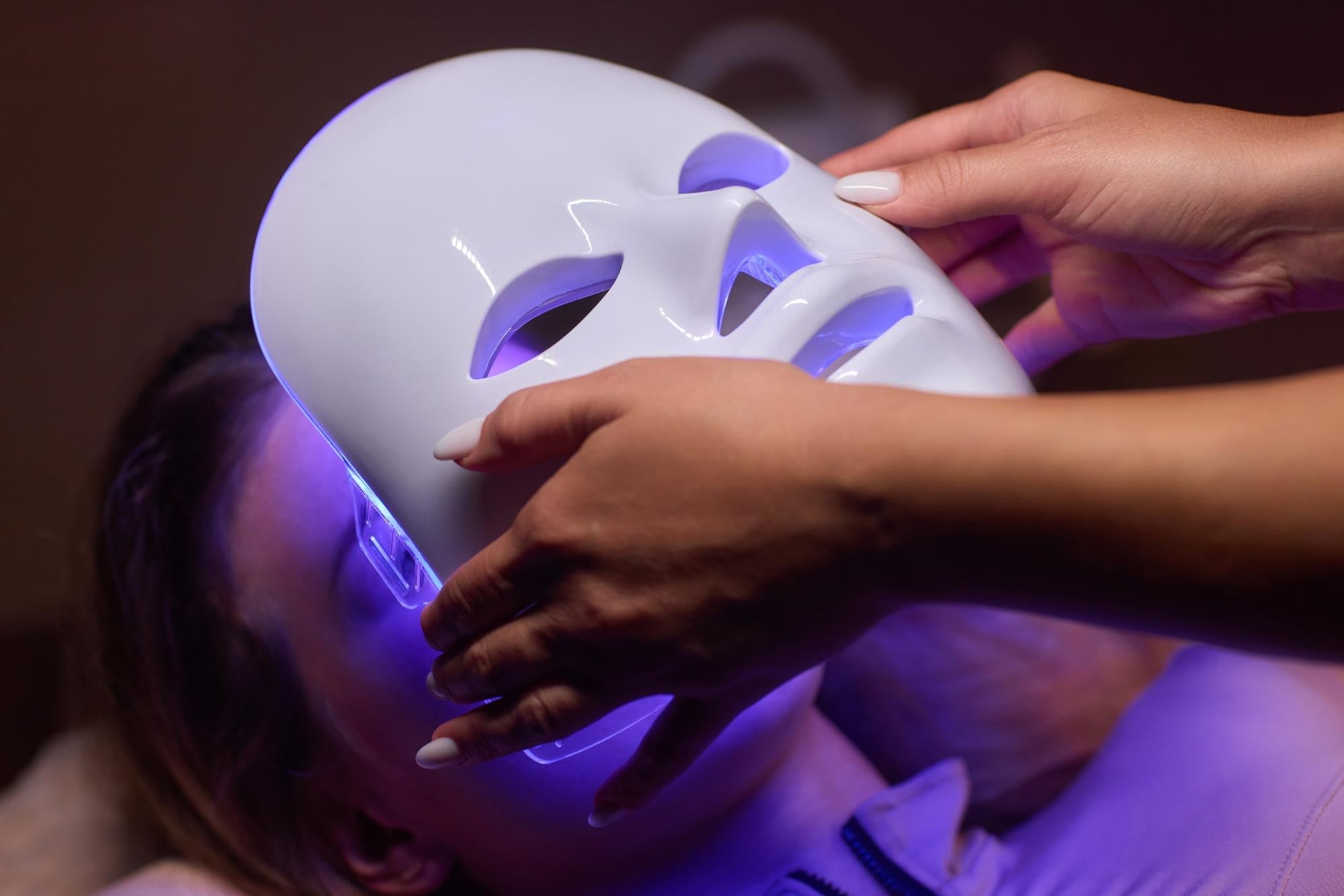
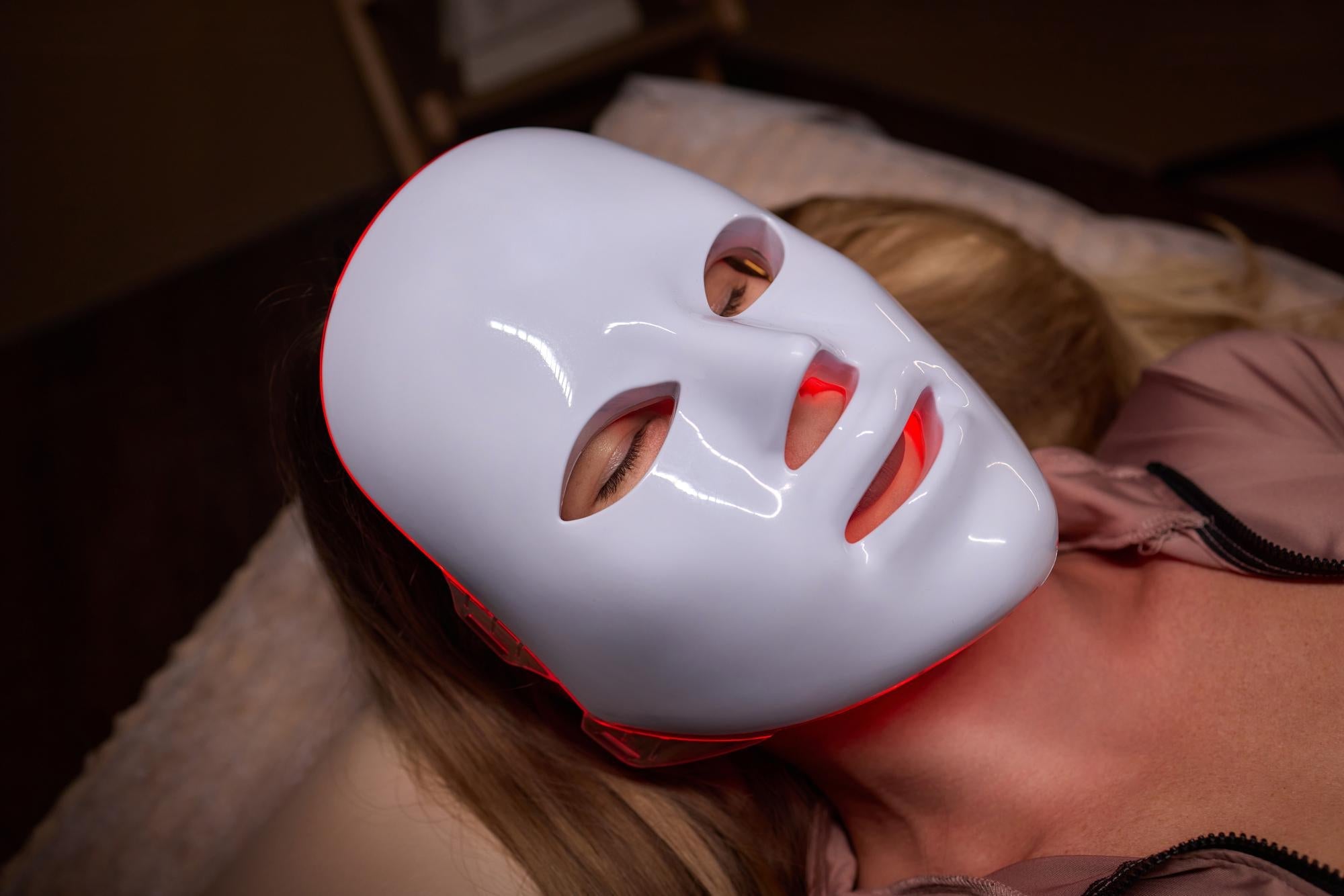
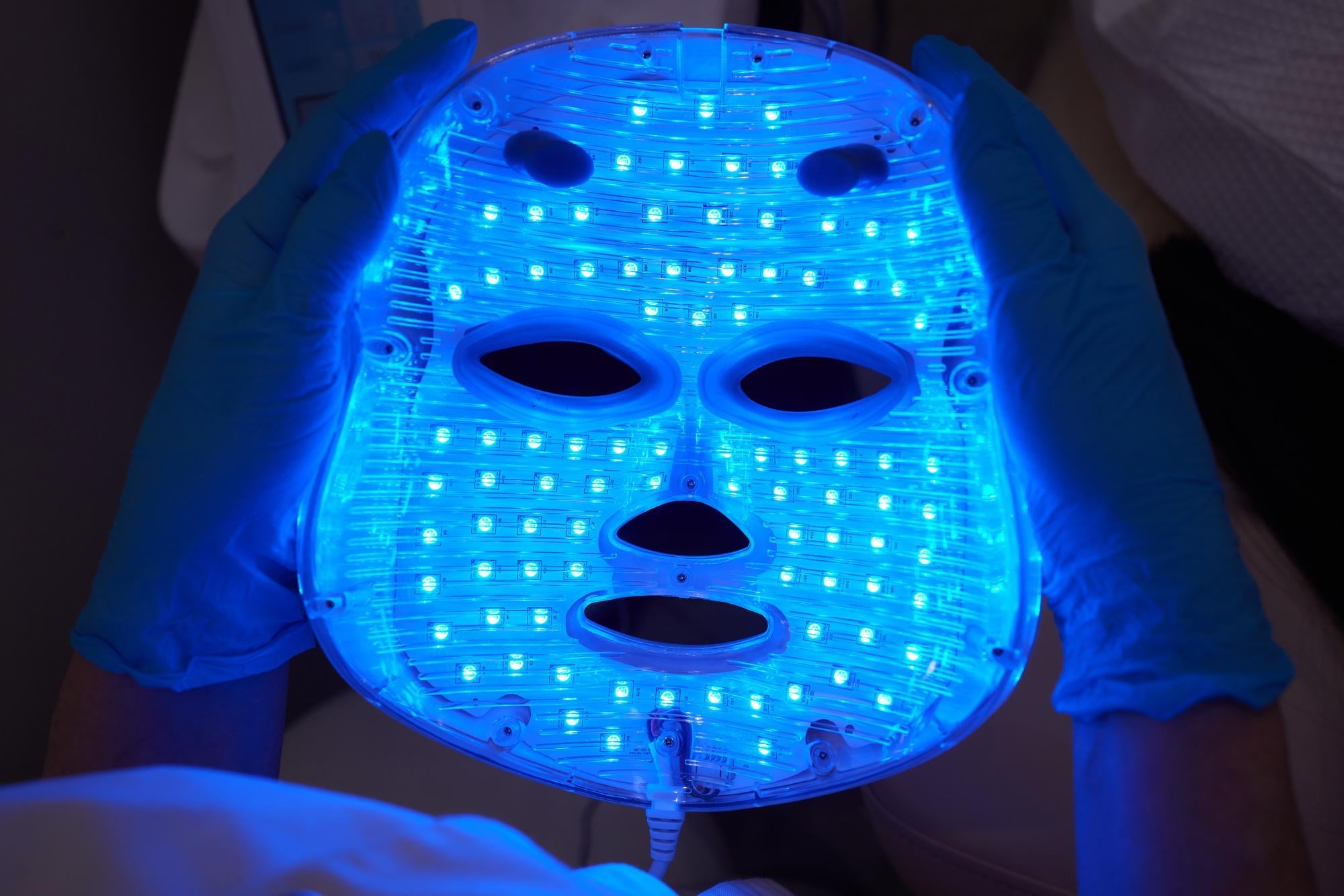
LED light therapy uses specific wavelengths of light to stimulate processes within the skin. Depending on the color of the light, different skin concerns can be targeted, such as acne, fine lines, or dull skin. This technology has been used in dermatology clinics for years and was later adapted into at-home devices.
Myth 1: LED Light Therapy Is Dangerous for the Skin
One of the biggest misconceptions is that LED light therapy is harmful to the skin. In reality, LED therapy does not use UV radiation. This means it does not burn the skin or increase the risk of skin cancer.
When used correctly, LED light therapy is non-invasive and safe. Any side effects are usually mild and temporary, such as slight redness or a warm sensation, especially for people with sensitive skin.
Myth 2: LED Masks Are Not Suitable for Sensitive Skin
Many people with sensitive skin worry that LED light may irritate their skin. In most cases, the opposite is true. LED light — especially red light — is often used to calm inflammation and support the skin barrier.
However, it’s important to start slowly with shorter sessions and monitor how your skin reacts. If you have existing skin conditions, it’s wise to seek advice from a skincare professional first.
Myth 3: LED Light Therapy Is Unsafe During Pregnancy
There is no strong evidence that LED light therapy is harmful during pregnancy, as the light only penetrates the surface layers of the skin and does not contain ionizing radiation. However, there is also limited research on the use of LED masks during pregnancy.
For that reason, a precautionary approach is recommended: if you are pregnant, it’s best to consult a doctor or midwife before starting LED light therapy.
Myth 4: LED Masks Damage Your Eyes
LED light is bright, and looking directly into it can feel uncomfortable or tiring, especially with blue light. However, this does not mean LED masks automatically cause eye damage.
High-quality LED masks are designed with eye protection or require the use of protective goggles. If you follow the instructions and use proper protection, the risk to your eyes is minimal.
Myth 5: The Stronger the Light, the Better
Higher intensity does not automatically mean better results. Overly strong or improperly used LED light sources may irritate the skin without providing additional benefits.
A good LED mask uses controlled wavelengths and safe light intensity levels that are effective without overwhelming the skin. Consistent use is more important than maximum power.
What Should You Really Pay Attention to for Safe Use?
Safe use of LED light therapy comes down to a few simple guidelines. Always use the mask according to the manufacturer’s instructions. Protect your eyes if necessary and gradually increase usage time. Avoid using the mask on damaged skin and do not combine it with products that make the skin extremely sensitive to light.
Conclusion: Are LED Masks Dangerous?
When used correctly, LED light therapy is safe for most people. Many of the supposed dangers are based on misunderstandings or confusion with UV light. By choosing a high-quality LED mask and using it responsibly, you can enjoy the benefits without unnecessary risks.