Read This Before Buying an LED Light Therapy Mask.
Read This Before Buying an LED Light Therapy Mask
LED light therapy masks have become extremely popular in recent years as an at-home skincare treatment. They promise fewer wrinkles, a more even complexion, and reduced acne. But before purchasing an LED mask, it’s important to understand exactly what you’re buying and what you can realistically expect.
What Is an LED Light Therapy Mask?
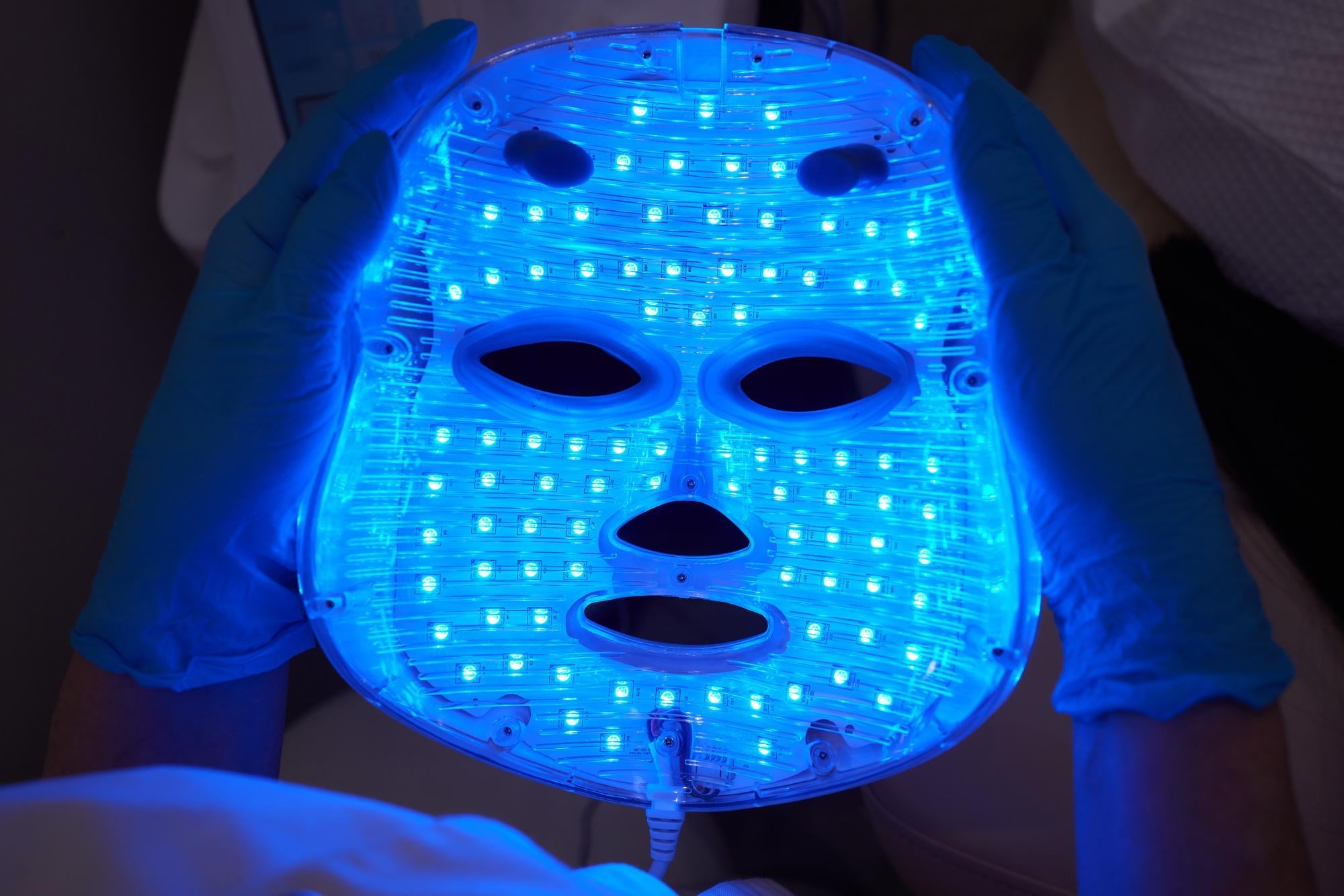
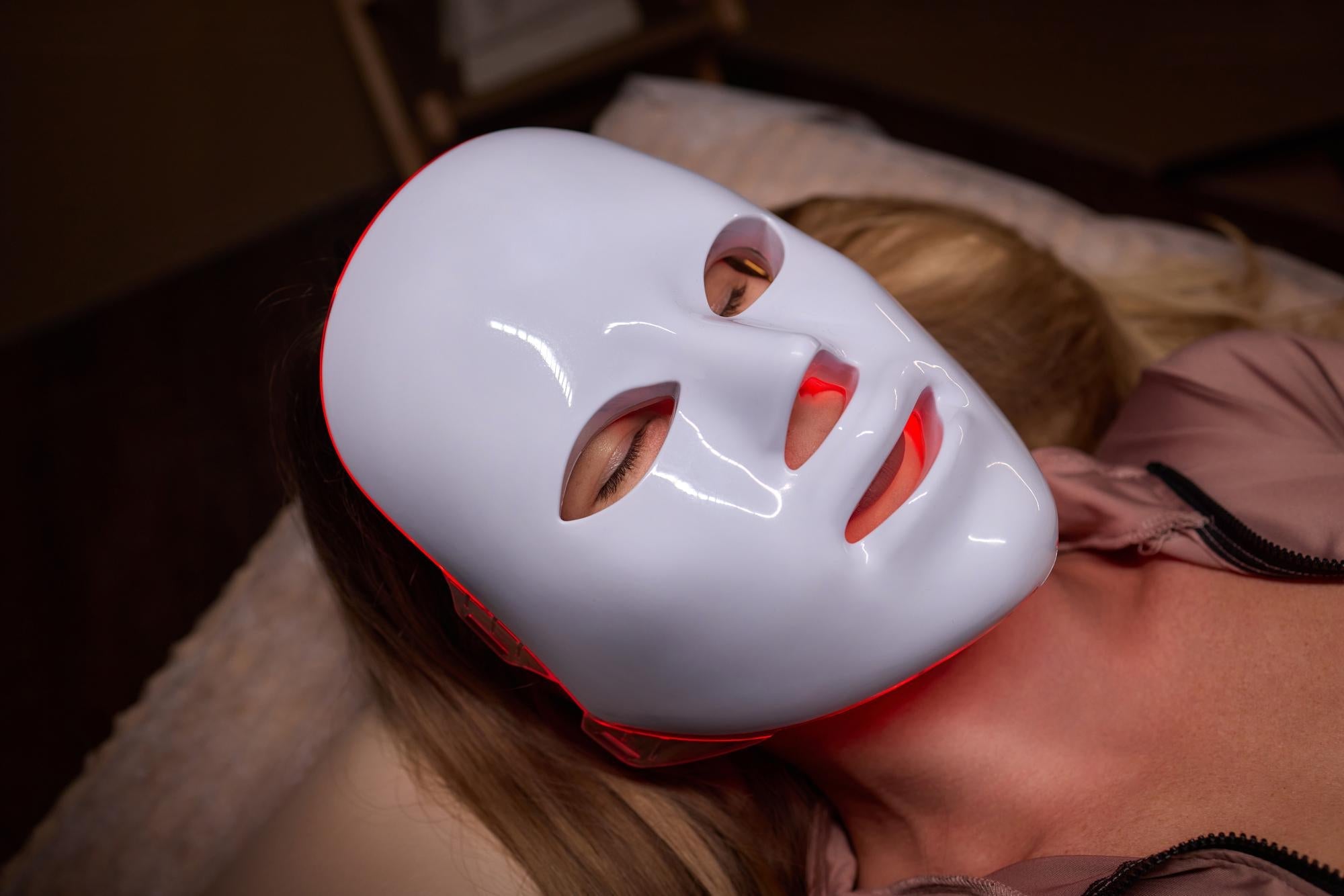
LED stands for Light Emitting Diode. This technology uses different light wavelengths to stimulate processes within the skin. Each light color has a different effect on the skin.
Red light is mainly used to stimulate collagen production and reduce signs of skin aging. Blue light helps fight acne-causing bacteria. Infrared or near-infrared light may support skin recovery and improve circulation.
There is a significant difference between professional LED devices used in clinics and consumer masks designed for home use.
Understand the Science Behind LED Light Therapy
Although scientific research has shown positive effects of LED light therapy, it is not a miracle cure. Results vary from person to person and depend on skin type, skin concerns, and how consistently the mask is used.
Consumer-grade masks generally have lower light intensity than professional equipment, meaning results are often more subtle and take longer to appear.
Pay Attention to Wavelengths and Light Intensity
Not every LED mask is equally effective. A quality mask clearly states which wavelengths it uses, such as red light around 630 to 660 nanometers and blue light around 405 to 420 nanometers.
Light intensity also plays a major role. Masks that do not provide clear intensity specifications often deliver minimal visible results. Be cautious of products that do not share technical details.
Safety and Skin Protection
Safe use is essential when using LED light therapy. Eye protection is important, especially with blue light. Some masks include built-in eye protection, but this is not always sufficient.
People with sensitive skin may experience mild irritation. It’s wise to test the mask for a short period first. If you use medications that cause light sensitivity or have a skin condition, it is recommended to consult a doctor or skincare professional before use.
Price and Quality: What’s Realistic?
The price of LED masks varies greatly. Cheaper models are often less powerful and use lower-quality LEDs. More expensive masks usually offer better light distribution, higher intensity, and safer designs.
A higher price does not automatically guarantee better results, but extremely cheap masks rarely deliver the desired effect in practice.
Consistent Use Is Crucial
LED light therapy requires time and discipline. Results are usually only visible after several weeks of consistent use. Most manufacturers recommend using the mask multiple times per week for ten to twenty minutes per session.
It’s important to view LED therapy as a long-term treatment, similar to other active skincare products.
A Complement to Your Skincare Routine
An LED mask does not replace a good skincare routine. It works best as an addition to a routine that includes a gentle cleanser, a moisturizing cream, and daily sun protection.
A healthy lifestyle, adequate sleep, and a balanced diet also remain essential for maintaining healthy skin.
Conclusion
An LED light therapy mask can be a valuable addition to your skincare routine — provided you have realistic expectations. Pay attention to clear specifications, safety, quality, and be prepared to use the mask consistently. By making an informed purchase, you increase your chances of achieving visible and long-lasting results.